

Education
Child Development
Parenting
Neurodiversity
Research
Jargon Free
Inclusivity
SEND
Community
Education
Child Development
Parenting
Neurodiversity
Research
Jargon Free
Inclusivity
SEND
Community
Supporting Neurodivergent Students
Creating educational environments where difference is understood and inclusion is meaningful.
Awareness of neurodiversity within education has grown considerably, yet many neurodivergent children and young people continue to experience barriers within educational environments. Schools and educational professionals are often committed to inclusion, but balancing policy, curriculum expectations, accountability, resources and individual needs can make meaningful change challenging.
Our Supporting Neurodivergent Students workshop is designed to help educational leaders and professionals move towards a deeper understanding of how educational environments, systems and everyday practices influence neurodivergent learners’ experiences.
Grounded in research, lived experience and practical educational strategies, the workshop encourages participants to challenge assumptions, critically reflect on existing approaches and explore realistic opportunities for change.
Rather than focusing solely on what individual learners may find difficult, we encourage participants to consider how educational environments can become more responsive to different ways of learning, communicating and experiencing the world.
What will participants explore?

Reframing neurodiversity
Developing a deeper understanding of neurodiversity beyond labels and diagnoses, while challenging deficit-focused assumptions about learning, behaviour and participation.
Understanding lived experience
Exploring the experiences of neurodivergent learners, including sensory differences, communication, masking, emotional wellbeing and the pressures of navigating educational environments.
Recognising systemic barriers
Considering how school policies, routines, expectations, behaviour systems, attendance approaches and the hidden curriculum may unintentionally create barriers to inclusion.
Understanding behaviour and communication
Reflecting on how behaviour is interpreted within educational settings and considering the importance of understanding individual experiences, communication differences and unmet needs.
Practical approaches to inclusive education
Exploring realistic strategies across four key areas:
- Environment: Sensory considerations, routines, predictability and accessibility.
- Relationships: Trust, communication, understanding and co-regulation.
- Teaching and learning: Flexibility, scaffolding, adaptations and responsive teaching practices.
- Leadership: Organisational culture, staff development, policies and whole-school approaches.
Learning through reflection and experience
This workshop combines research-informed content with interactive activities, case studies, group discussions and opportunities for critical reflection.
Participants are encouraged to consider the experiences of neurodivergent learners, identify barriers within existing systems and reflect on how different approaches might influence participation, wellbeing and learning.
The workshop also provides opportunities to explore the relationship between policy and practice, consider the challenges of implementing inclusive approaches and identify changes that are achievable within participants’ own settings.
Workshop information
Designed for: Headteachers, senior leadership teams, SENCOs, inclusion leads, trust leaders and educational decision-makers.
Format: Full-day professional development workshop
Approach: Research-informed, reflective, interactive and focused on meaningful whole-school change.
What will participants take away?
- A deeper understanding of neurodiversity and individual differences.
- Greater awareness of how educational environments and systems influence learner experiences.
- Increased confidence in recognising and addressing barriers to inclusion.
- Practical strategies to support communication, participation, wellbeing and learning.
- Opportunities to critically reflect on current policies and practices.
- Clear, achievable actions to support individual, team and whole-school development.
Meaningful inclusion requires more than understanding neurodivergent conditions or introducing isolated adjustments. It involves recognising how educational systems and expectations interact with individual differences, listening to lived experiences and creating environments that are responsive to the learners within them.
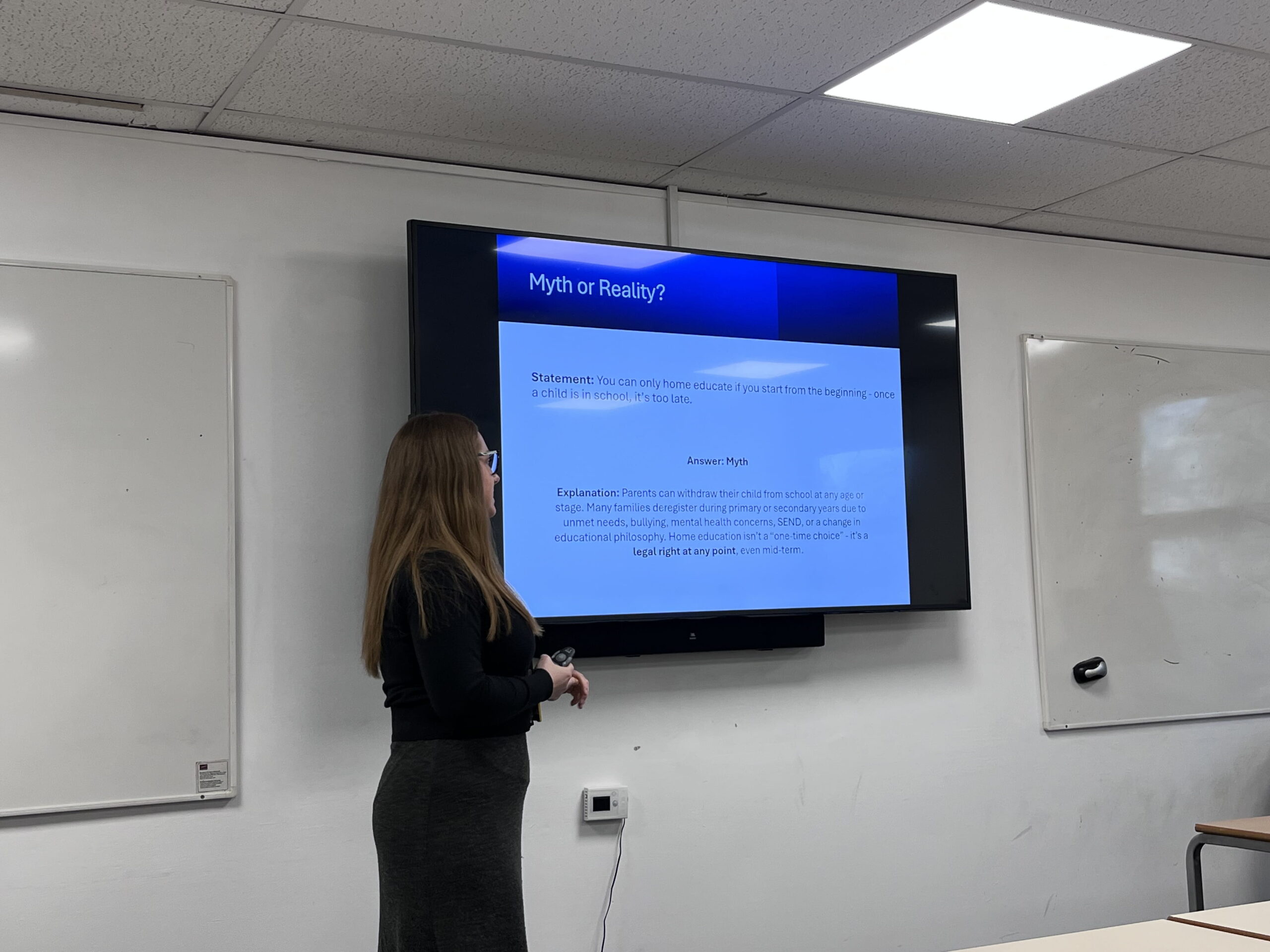
Our workshop supports educational professionals to move from understanding to implementation, recognising both the challenges and opportunities involved in creating more inclusive educational experiences.
Let's create more inclusive learning environments
Whether your school is reviewing its approach to inclusion, developing staff understanding or exploring opportunities for whole-school change, RECAP can support you.
Follow-up consultancy, mentoring and organisational development support can also be discussed.